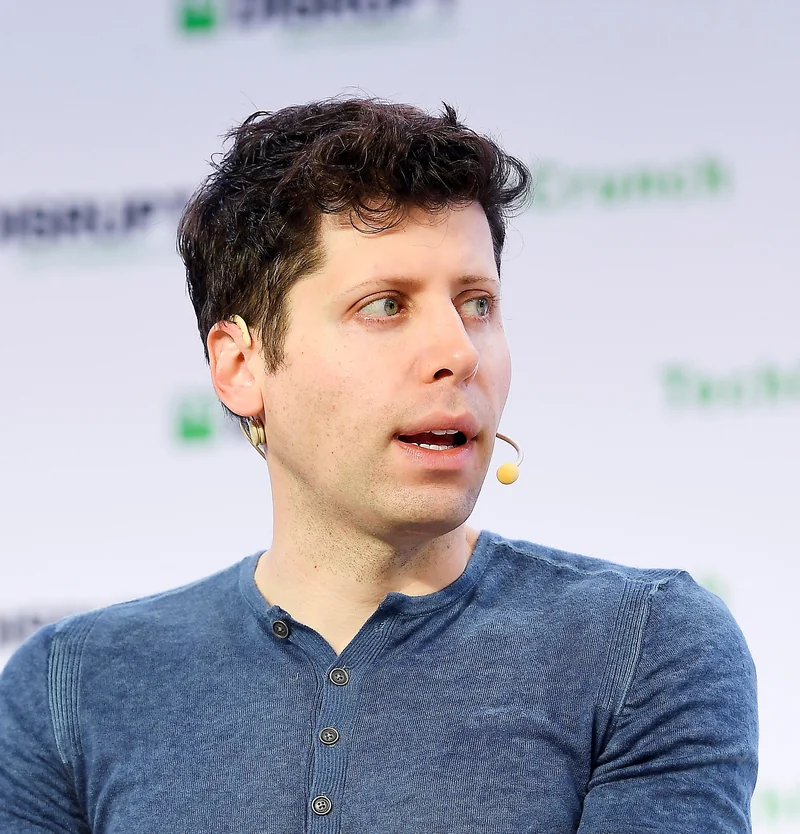
Sam Altman says it is “quite terrible” for people to keep the world’s limited supply of DRAM in their own computers. Speaking on the YouTube channel Cheeky Pint, the OpenAI chief executive argued that memory belongs in the cloud.
What he said
Tom’s Hardware reported the exchange, which took place around the 29-minute mark of the interview. Asked about running open-source models locally, Altman said:
“From a global allocation perspective, actually, it’s quite terrible to have everybody have a bunch of the world’s limited supply of DRAM sitting in their own computer and being used 5% of the time. You want maximum utilization in the cloud if you’re trying to deal with this very supply-constrained environment. And somehow many people’s intuition is the opposite of that.”
In the passage quoted, he gave no source for the 5% figure.
The supply backdrop
The supply squeeze is real. In February, TrendForce raised its first-quarter 2026 forecast for conventional DRAM contract prices to a rise of 90–95% on the previous quarter, and said PC DRAM prices were expected to at least double. That was a forecast, not an outcome, but it explains why memory has become a political subject.
The logic, and its limit
On pure utilisation, the argument is sound. Shared hardware that runs around the clock does more work per chip than hardware that sits idle between tasks. In a shortage, that is a fair case for pooling.
Our reading is that the case also happens to match OpenAI’s business. Tom’s Hardware pointed out that the company’s main business is closed models run in data centres, so Altman is in effect defending its model, and that local AI could one day mean people paying less for subscriptions. It also noted that the argument assumes data centre build-outs will not slow down, and treats memory used all day in a data centre as worth more than memory used for spreadsheets, games and the occasional local model.
That is the mainframe analogy, with a subscription and the word “agentic” attached. Utilisation measures how busy a machine is, not who benefits. A PC owner gets control, privacy and offline use; a cloud customer gets rented capacity and a monthly bill.
The assumption underneath is that the cloud keeps growing, which depends on funding that is itself under pressure. See Neoclouds are shut out of the cheap bond market for the debt side.
Sources
- Tom’s Hardware, “OpenAI CEO says it’s ‘quite terrible’ for your PC to have RAM” (30 October 2026)
- TrendForce, Memory price outlook for 1Q26 sharply upgraded (2 February 2026)
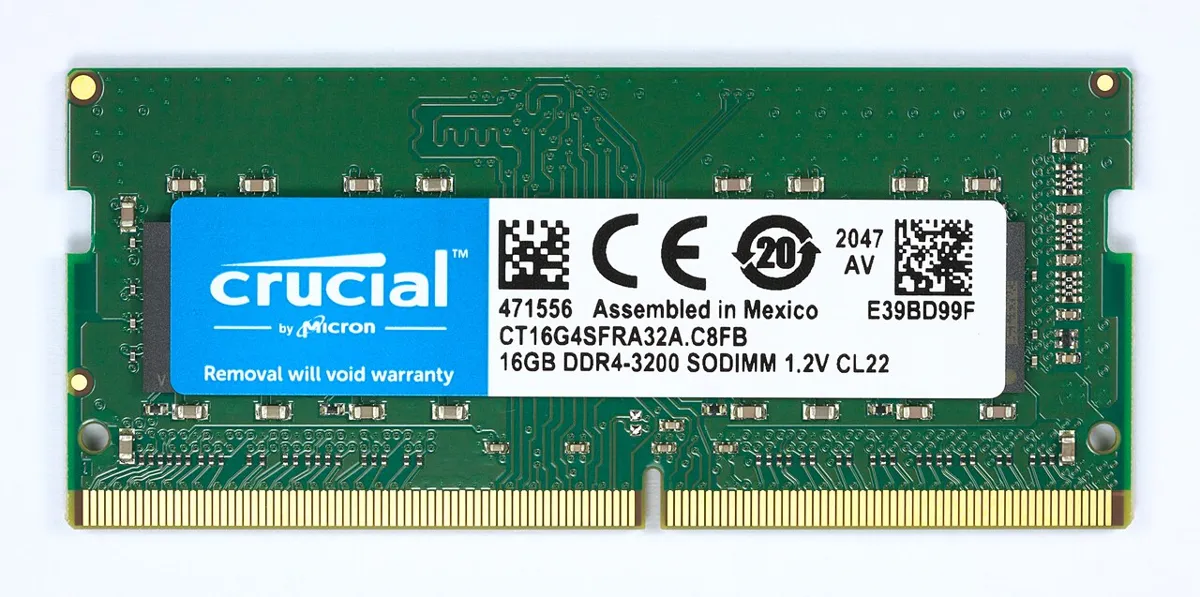
Photo: DDR4 SO-DIMM memory module, by D-Kuru, CC BY-SA 4.0, via Wikimedia Commons.