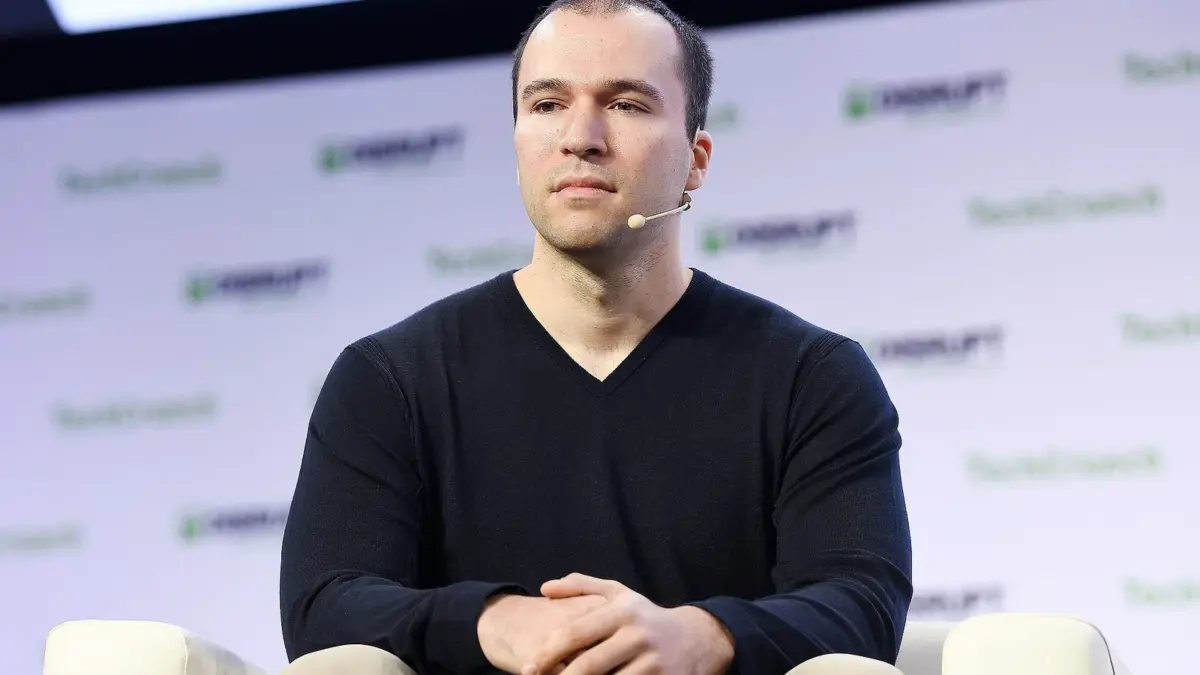
OpenAI could be ready for a stock market listing in 2027. Asked at a Wall Street Journal technology conference on Wednesday whether the company would be IPO-ready next year, co-founder and president Greg Brockman replied: “I think so. Yes.” The remarks were reported by TechCrunch on 5 November 2026. He did not give a date, a venue or a valuation, and nothing in the report suggests a filing has been made.
“We’ve been very clear this year that we want to go public when we feel is the right time for us, and I feel extremely good about the business,” Brockman said. “I’ve honestly never felt more confident in what we’re doing.”
The enterprise turn
Most of what Brockman offered in support was about enterprise sales. He described the first and second quarters of 2026 as “pretty rough” and admitted that OpenAI “wasn’t even in the conversation” in agentic coding, where Anthropic’s Claude Code has taken share. “We had Codex, but no one was talking about it,” he said.
By the third quarter, according to TechCrunch’s account, OpenAI’s annualised revenue grew 70% quarter on quarter, which Brockman put down to the enterprise business doubling. Enterprise now accounts for the majority of OpenAI’s revenue, up from around 30% previously. Consumer revenue has kept growing, he said, but enterprise “has really taken off”. He named a recent partnership with JPMorgan Chase as an example of the clients OpenAI now wins.
“A year ago, we weren’t even really in the enterprise game,” Brockman said. “We were really perceived as a consumer company.”
What we cannot check
The growth figures are Brockman’s own, given on stage. OpenAI has not published accounts that would let us test the 70% figure or the enterprise share, and the report does not give absolute revenue. Until a registration statement is filed, the numbers are a pitch, not a disclosure.
A filing would change that. Anthropic’s S-1, amended on 2 November, already shows what public investors will look at: third-quarter revenue of $17bn, with compute costs rising to 58% of revenue from 48% in the previous quarter, as TechCrunch reported from the filing. We covered another part of that amendment in our report on its warning about AI-accelerated research. OpenAI would face the same line-by-line reading of compute costs and margins.
What it means for founders and investors
- A reference date for secondaries. Holders of OpenAI shares and employees weighing secondary sales now have a public, if informal, window. It is a statement of readiness, not a commitment to list.
- Enterprise is where the labs compete. Brockman’s account confirms that OpenAI and Anthropic are fighting over the same corporate budgets, coding tools first. Start-ups selling into those accounts should expect the labs to move up into applications.
- Disclosure sets the comparison. If both companies list, their filings will become the benchmark for how much of AI revenue goes to compute. Founders raising on AI margins should expect investors to use those numbers. This is analysis, not investment advice.
Sources
- TechCrunch, “OpenAI president Greg Brockman says company could be IPO ready in 2027” (5 November 2026)
- TechCrunch, “Anthropic is still grappling with the economics of compute” (3 November 2026)
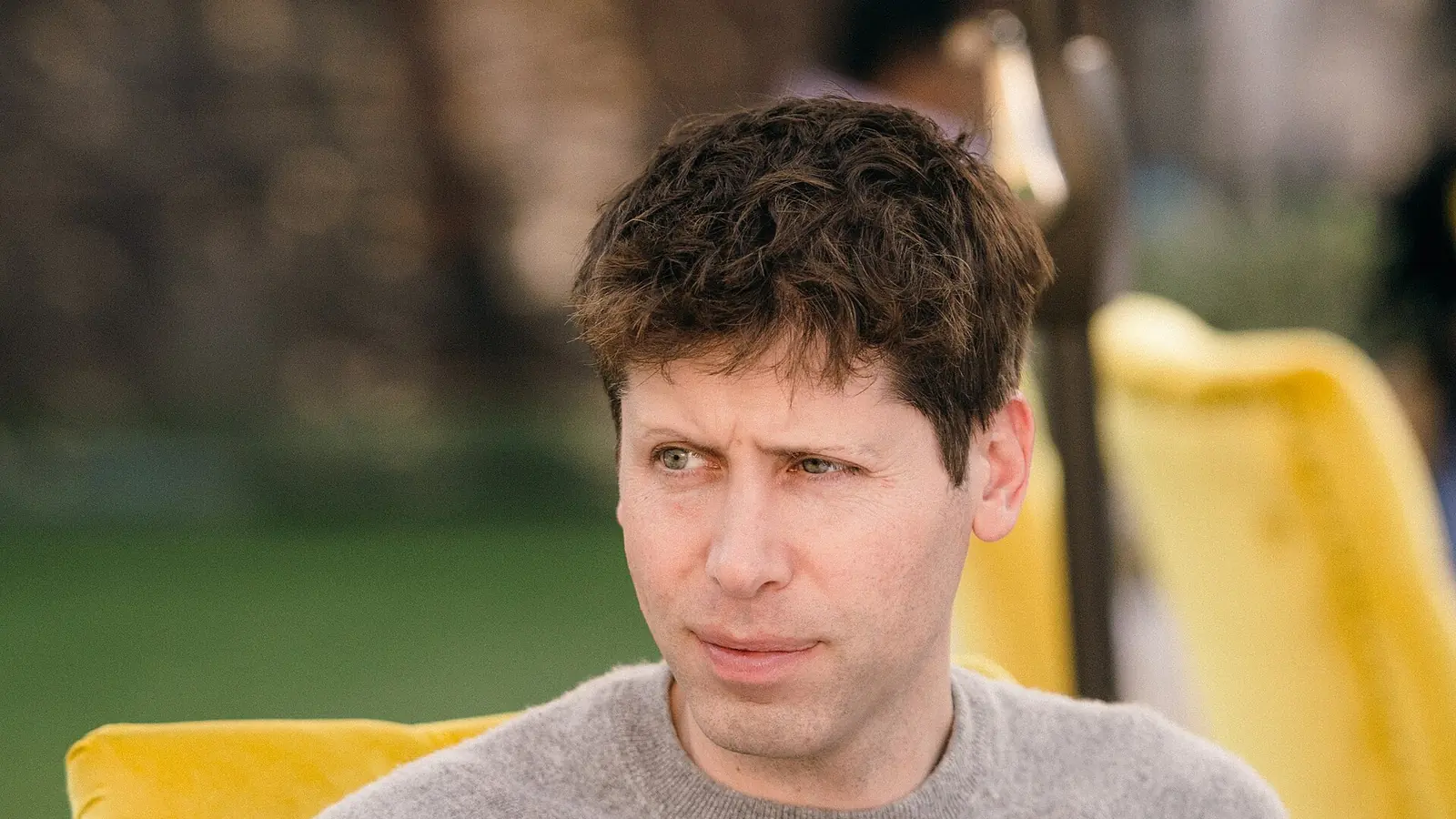
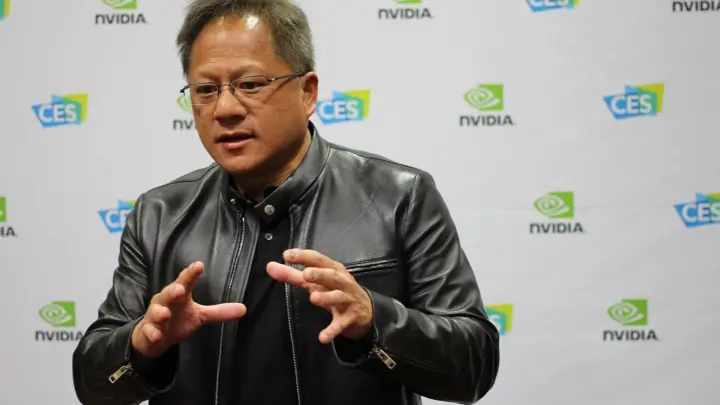
Photo: Greg Brockman at TechCrunch Disrupt San Francisco, 2019, by TechCrunch, CC BY 2.0, via Wikimedia Commons.