Last updated: 1 November 2026
The quarterly reports published between 21 and 29 October 2026 settle one debate and open another. Spending on AI infrastructure is not slowing: at Alphabet, Microsoft and Amazon, quarterly capital spending roughly doubled on a year earlier. What has changed is how it is paid for. Alphabet and Meta reported negative free cash flow for the quarter, Amazon reported a twelve-month outflow of $42.4bn, and Oracle was negative in its latest quarter. Only Microsoft stayed comfortably positive. Every company figure below comes from the companies’ own earnings releases unless stated otherwise, and was checked on 1 November 2026. This is analysis, not investment advice.
The latest quarter: capex against operating cash flow
| Company (quarter) | Capex | Operating cash flow | Free cash flow | Source |
|---|---|---|---|---|
| Alphabet (Q3 2026) | $51.4bn (year earlier: $24.0bn) | $42.3bn | –$9.1bn | Alphabet Q3 release (SEC) |
| Microsoft (fiscal Q1 2027) | $39.4bn cash additions to property and equipment (year earlier: $19.4bn); $45.2bn including finance leases | $58.0bn | +$18.6bn | Microsoft release (SEC); call transcript, 29 October |
| Amazon (Q3 2026) | $77.3bn (year earlier: $35.1bn) | $42.4bn (twelve months: $168.3bn) | Twelve months: –$42.4bn (year earlier: +$14.8bn) | Amazon Q3 release (SEC) |
| Meta (Q3 2026) | $34.9bn including finance-lease principal ($33.9bn purchases of property and equipment) | $32.8bn | –$2.1bn | Meta Q3 release (SEC) |
| Oracle (fiscal Q1 2027, to 31 August) | $28.5bn | $23.1bn | –$5.4bn | Oracle release (SEC) |
Definitions differ, so the rows are not strictly like for like: Meta’s figure includes finance leases, Microsoft shows both cash and lease-inclusive numbers, and Oracle’s quarter ended two months before the others. Amazon’s release gives free cash flow only on a twelve-month basis. Free cash flow here is the companies’ own measure, operating cash flow less capital expenditure.
What the full-year plans imply
The 2026 guidance is just as large. Alphabet expects $195bn to $205bn, Amazon about $220bn, Meta $135bn to $145bn and Microsoft about $170bn for the calendar year, according to the Microsoft call. We set out the arithmetic in our news report on the combined guidance. Alphabet said, according to CNBC, that it expects capex to “increase significantly in 2027”.
One detail deserves a question on the next call. Amazon’s nine-month purchases of property and equipment are already $175.7bn. Reaching about $220bn for the year implies roughly $44bn in the fourth quarter (our arithmetic), far below the $77.3bn just spent. Either the guidance is conservative, timing is lumpy, or spending will slow sharply. The release does not say which.
How the gap is being funded
When capex exceeds operating cash flow, the shortfall is covered by cash reserves, debt or someone else’s balance sheet. All three are visible in the October filings.
- Bonds. Alphabet’s balance sheet shows long-term debt of $125.1bn at 30 September 2026, against $46.5bn in the comparative column. Meta’s cash-flow statement shows $24.9bn of long-term debt issued in the first nine months of 2026, and Oracle reports total borrowings of about $125.3bn. TechCrunch cites S&P Global Market Intelligence for a combined $326bn of debt raised in 2026 by Microsoft, Alphabet, Amazon, Meta and Oracle, triple last year’s amount.
- Leases. Microsoft booked $7.4bn of finance leases in the quarter, recognised in full when the lease starts, and said its interest expense now includes payments on data-centre finance leases.
- Special-purpose vehicles. Meta’s Hyperion data-centre campus in Louisiana sits in a joint venture in which, as Fortune reported on 31 October 2025 citing the Wall Street Journal, Blue Owl owns 80% and Meta 20%. The venture issued bonds to fund the $27bn project, which lets Meta avoid carrying the full debt on its own balance sheet. Chip suppliers are now joining such structures: TechCrunch reported on 30 October, citing The Information and Bloomberg, that Nvidia is weighing a guarantee on billions of dollars of debt for Nscale’s West Virginia data centre.
What it means for AI start-ups and VCs
Compute supply and pricing. Capacity is still tight in places. Microsoft said some third-party capacity deliveries it expected in the quarter were delayed, and its capex included higher memory and storage costs. Intel’s chief executive blamed memory prices and availability for softer PC demand, as we reported in our Intel note. We have not found a verified, dated price series showing cloud GPU rental prices moving this quarter, so we make no claim on direction. The practical point is narrower: a start-up’s compute contract is exposed to the financing conditions of whoever builds the capacity.
Funding climate. Money for model developers is concentrated and, at the margin, harder to raise. TechCrunch reported on 31 October, citing the Financial Times and the Wall Street Journal, that OpenAI has lowered the target for its new round to $20bn from $30bn, with about $11bn secured so far. Investors in the application layer should ask which portfolio companies depend on a single model provider whose own funding is in flux.
Concentration risk. A handful of buyers decide the order book for chips, power and construction. Microsoft’s commercial remaining performance obligation, contracted revenue not yet recognised, reached $677bn, up 73%, and Oracle reported $664bn, so the backlog is real; the question is whether the buyers behind it can keep funding it. For founders, a sensible stress test is revenue in a year when one large customer holds its spending flat. For investors, cash conversion deserves as much attention as headline cloud growth: Microsoft’s profile (positive free cash flow while spending heavily) differs from Amazon’s twelve-month outflow, even though both clouds are growing quickly. Apple, which is not among the companies above, has taken a more cautious public line on AI, as our report on its chief executive explains.
What to watch
- Alphabet’s fourth-quarter call: more detail on 2027 capital spending (date not yet announced).
- Amazon’s fourth-quarter capex: whether it falls towards the roughly $44bn that its full-year guidance implies.
- Debt markets: further bond and off-balance-sheet deals, and whether suppliers such as Nvidia provide guarantees.
- Microsoft’s second quarter: capex guided at over $50bn.
Sources
- Alphabet: Q3 2026 results, SEC exhibit 99.1
- Microsoft: fiscal Q1 2027 results, SEC exhibit 99.1
- Microsoft fiscal Q1 2027 earnings call transcript (The Motley Fool, 29 October 2026)
- Meta: Q3 2026 results, SEC exhibit 99.1
- Amazon: Q3 2026 results, SEC exhibit 99.1
- Oracle: fiscal Q1 2027 results, SEC exhibit 99.1
- CNBC: Alphabet Q3 2026 earnings (28 October 2026)
- TechCrunch: Cracks are emerging in the AI spending boom (30 October 2026)
- TechCrunch: Nvidia weighs playing the cosigner for Nscale’s AI data center (30 October 2026)
- TechCrunch: OpenAI reportedly lowers funding target for new round (31 October 2026)
- Fortune: Meta’s $27 billion bet (31 October 2025)
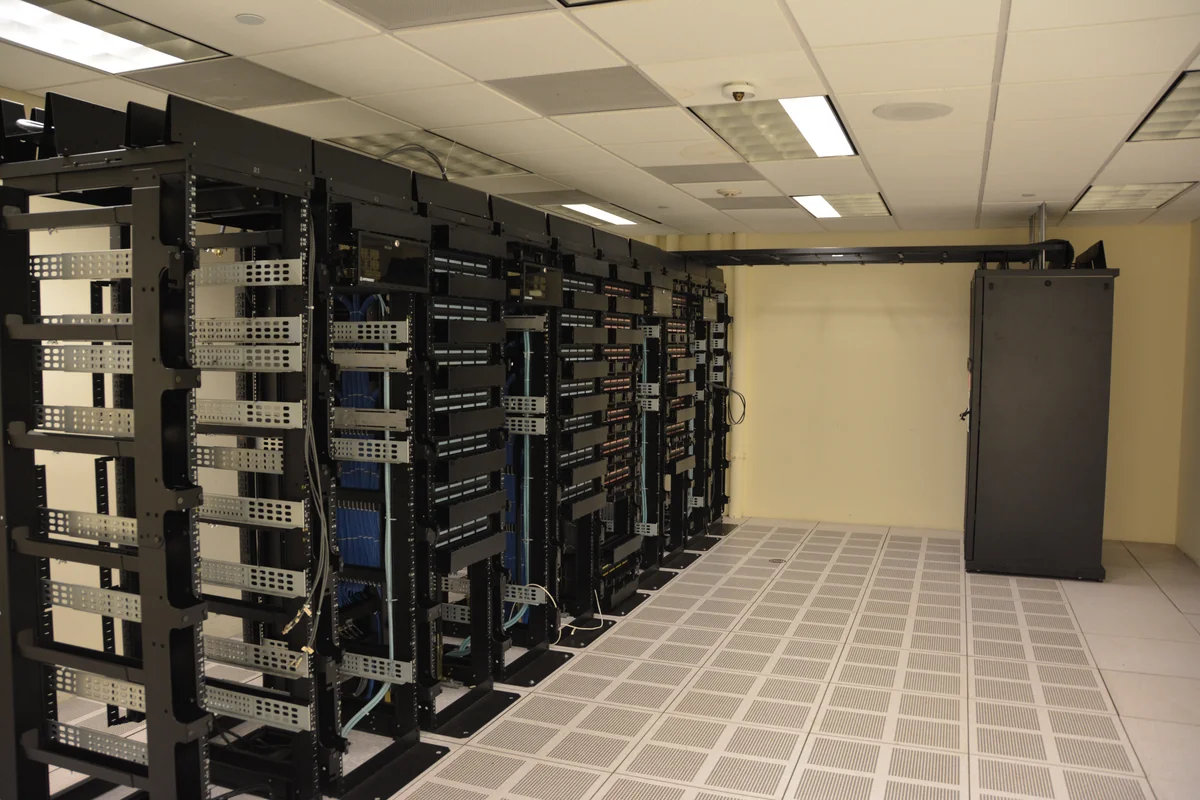
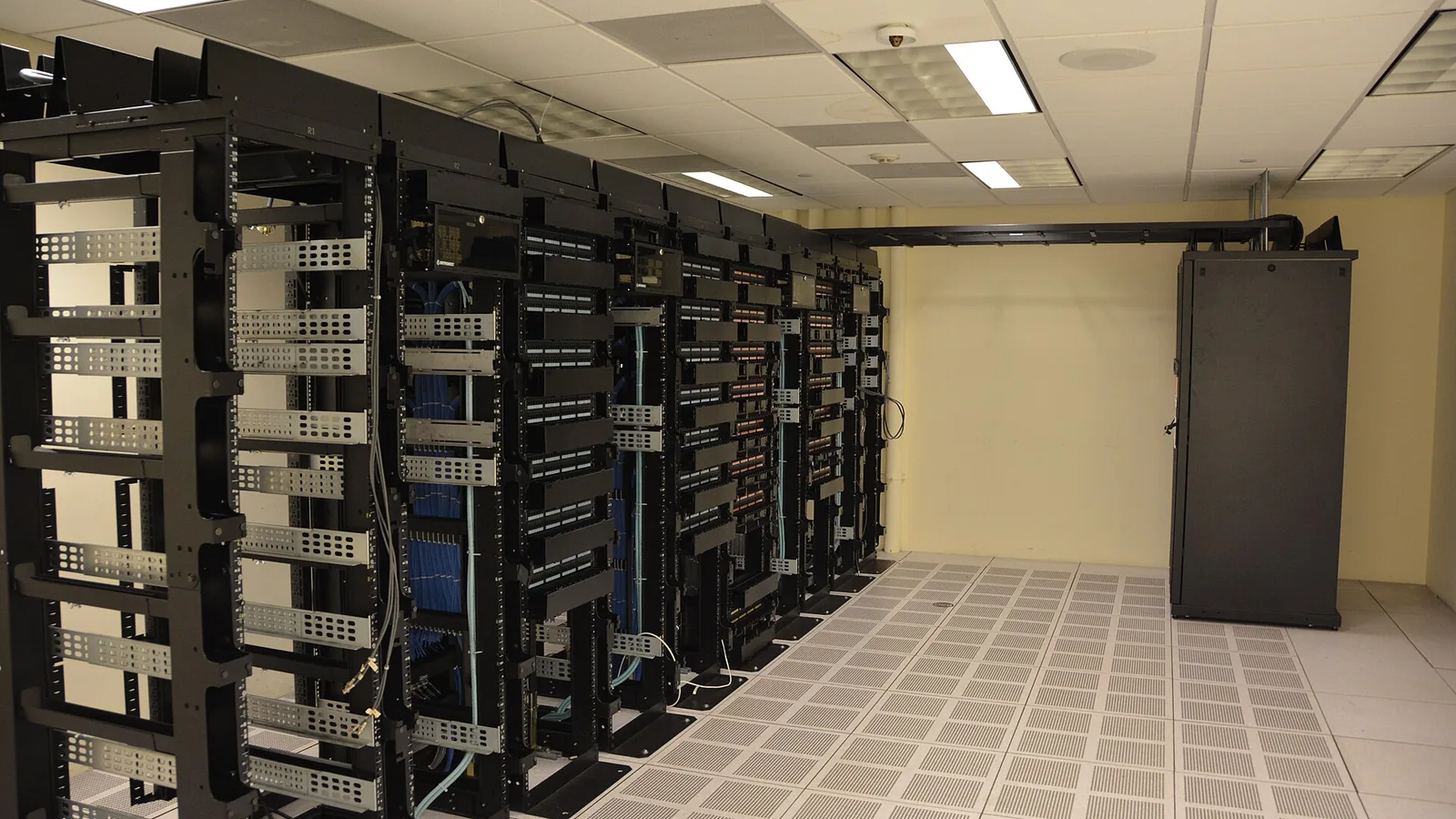
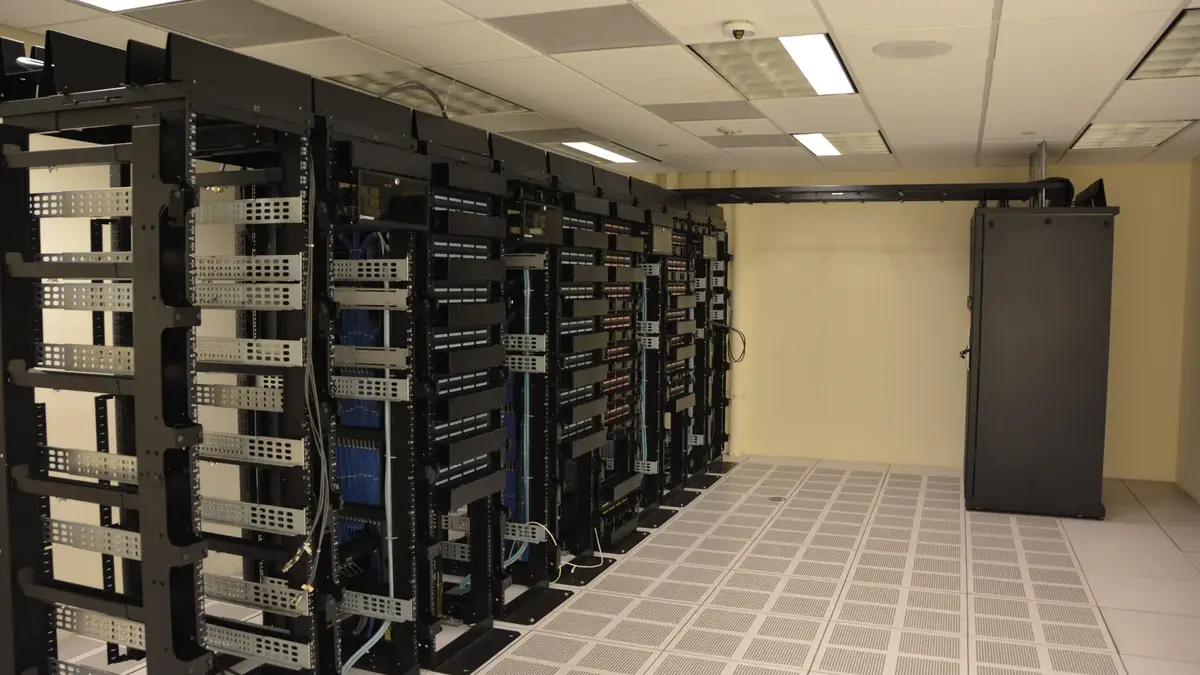
Photo: Rows of server racks in a data centre, by Carl Lender, CC BY 2.0, via Wikimedia Commons.