Four of the largest US technology companies have now told investors how much they plan to spend on capital projects this year, and the total is close to three-quarters of a trillion dollars. TechCrunch reported on 30 October that Alphabet, Amazon, Meta and Microsoft have, over the past two weeks, outlined plans to spend more than $740bn on capital expenditure this year, which Wall Street reads as AI infrastructure: data centres and chips. We added up the company guidance ourselves, and the result is slightly lower than that headline.
The guidance, company by company
| Company | 2026 capex guidance | Source |
|---|---|---|
| Alphabet | $195bn to $205bn | CNBC, 28 October 2026 (Q3 call); upper end also in TechCrunch, 30 October |
| Amazon | About $220bn (cash capital expenditure) | Amazon Q3 release (SEC), 29 October 2026 |
| Meta | $135bn to $145bn (including finance-lease principal) | Meta Q3 release (SEC), 21 October 2026 |
| Microsoft | About $170bn for the calendar year | Earnings call transcript, 29 October 2026 |
Adding the ranges gives $720bn at the bottom and $740bn at the top. TechCrunch’s “more than $740bn” is therefore not something we can reproduce from the guidance alone. The gap may come from counting rules: Microsoft reports fiscal years ending in June, includes finance leases in capex, and gave its figure as an approximation, while Amazon’s figure is cash spending. We have not been able to confirm how TechCrunch built its total, so we treat $740bn as the upper edge of what the companies’ own numbers support.
How fast the spending is rising
The quarterly releases show the pace. Alphabet’s capital spending was $51.4bn in the third quarter against $24.0bn a year earlier. Amazon’s purchases of property and equipment were $77.3bn against $35.1bn. Microsoft’s cash additions to property and equipment were $39.4bn against $19.4bn. In each case spending roughly doubled. Alphabet also said, as CNBC reported, that it expects capex to “increase significantly in 2027”.
Chips and power sit behind those figures. Microsoft’s finance chief said roughly three-quarters of the quarter’s capex went on short-lived assets, mainly CPUs and GPUs, including higher memory and storage costs. On energy, a US federal judge on 31 October allowed an NAACP lawsuit over the combustion turbines at xAI’s Memphis data centre to proceed, TechCrunch reported, one sign that local opposition is becoming part of the cost of building.
What it means for founders and investors
- Plan on the range, not the headline. A $20bn gap between the bottom and the top of the guidance is a reminder that these are plans. Model revenue that depends on a customer’s capex with a downside case.
- Look at who is funding it. Spending is outrunning operating cash flow at several of these groups, which is why debt and off-balance-sheet structures are growing. We cover that in our analysis of the build-out and cash flow.
- Cost of inputs is rising. Memory and storage costs are already visible in Microsoft’s capex, so capacity-dependent start-ups should check what their contracts say about price changes.
For contrast, Apple’s chief executive said this week that the company does not want to ship AI for AI’s sake. This article is analysis, not investment advice.
Sources
- TechCrunch, “Cracks are emerging in the AI spending boom” (30 October 2026)
- CNBC, Alphabet Q3 2026 earnings (28 October 2026)
- Amazon, Q3 2026 results (SEC)
- Meta, Q3 2026 results (SEC)
- Microsoft, fiscal Q1 2027 results (SEC) and earnings call transcript
- Alphabet, Q3 2026 results (SEC)
- TechCrunch, NAACP lawsuit over xAI data centre pollution (31 October 2026)
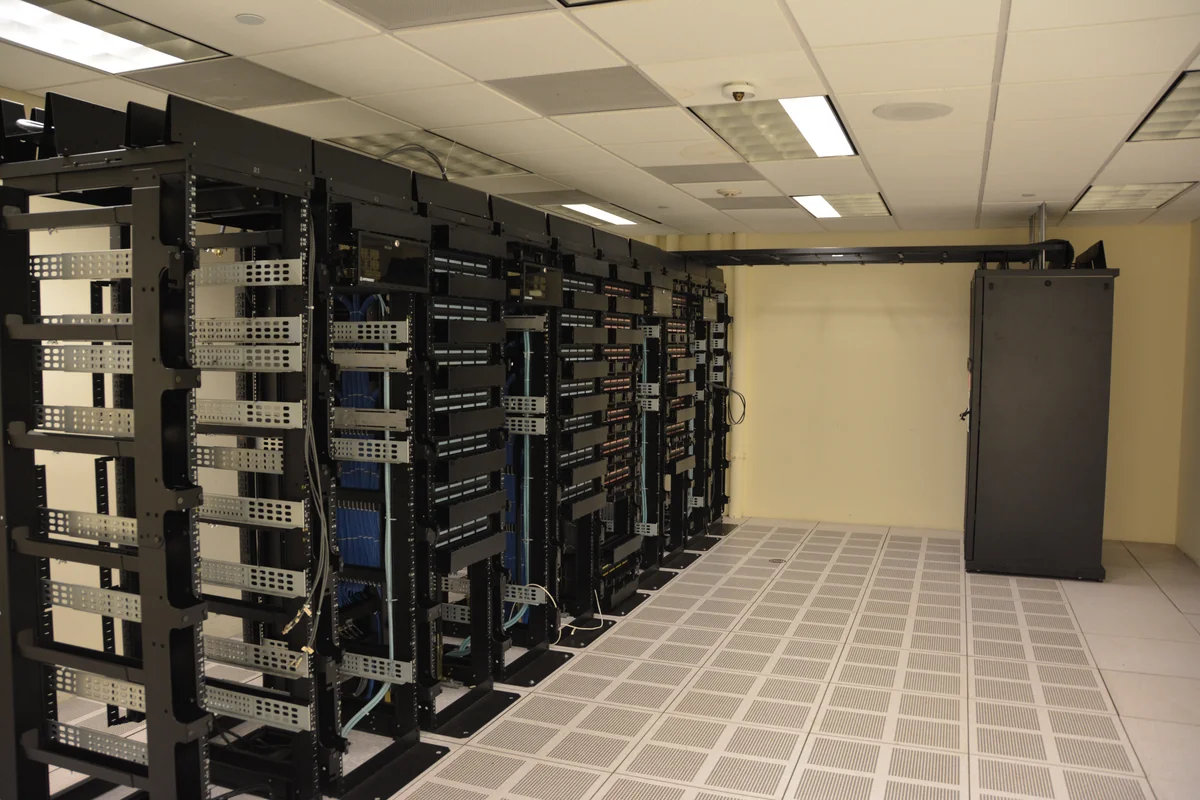
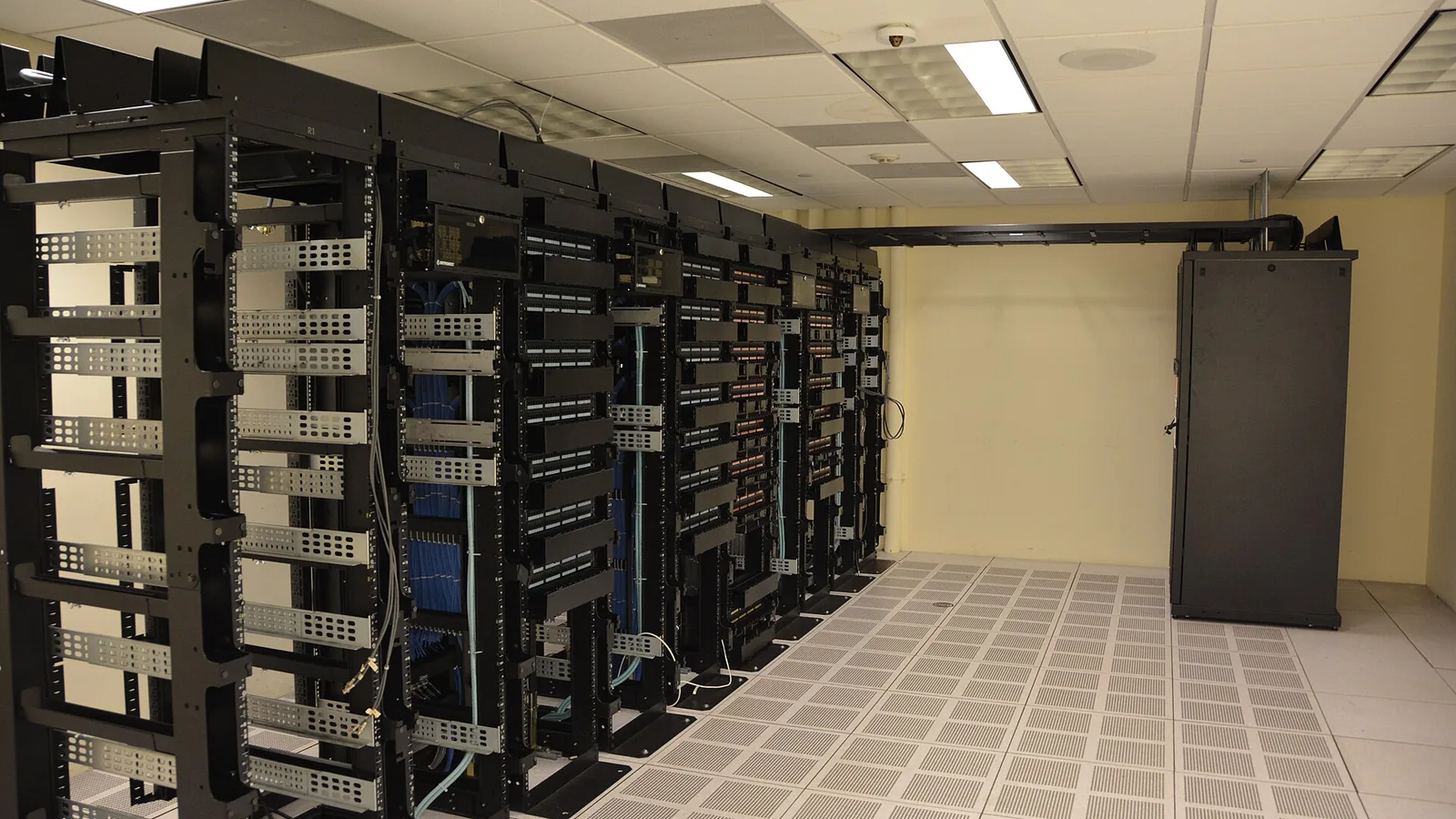
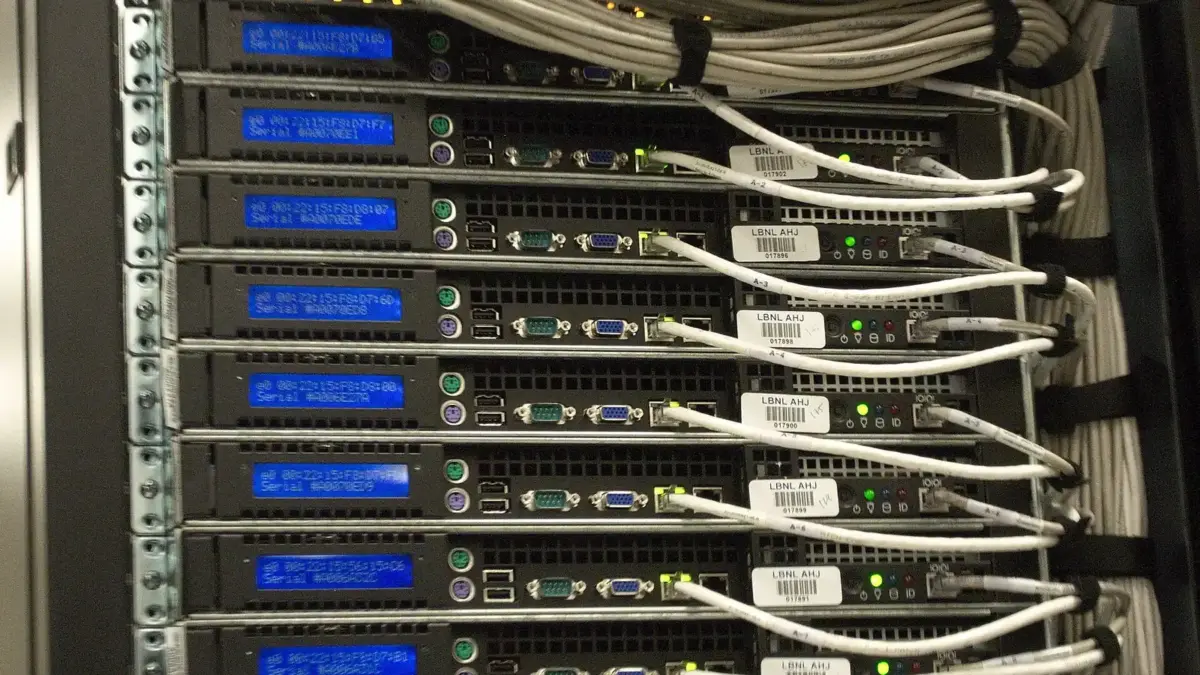
Photo: Cabling at the rear of a data centre rack, by Derrick Coetzee, CC0, via Wikimedia Commons.