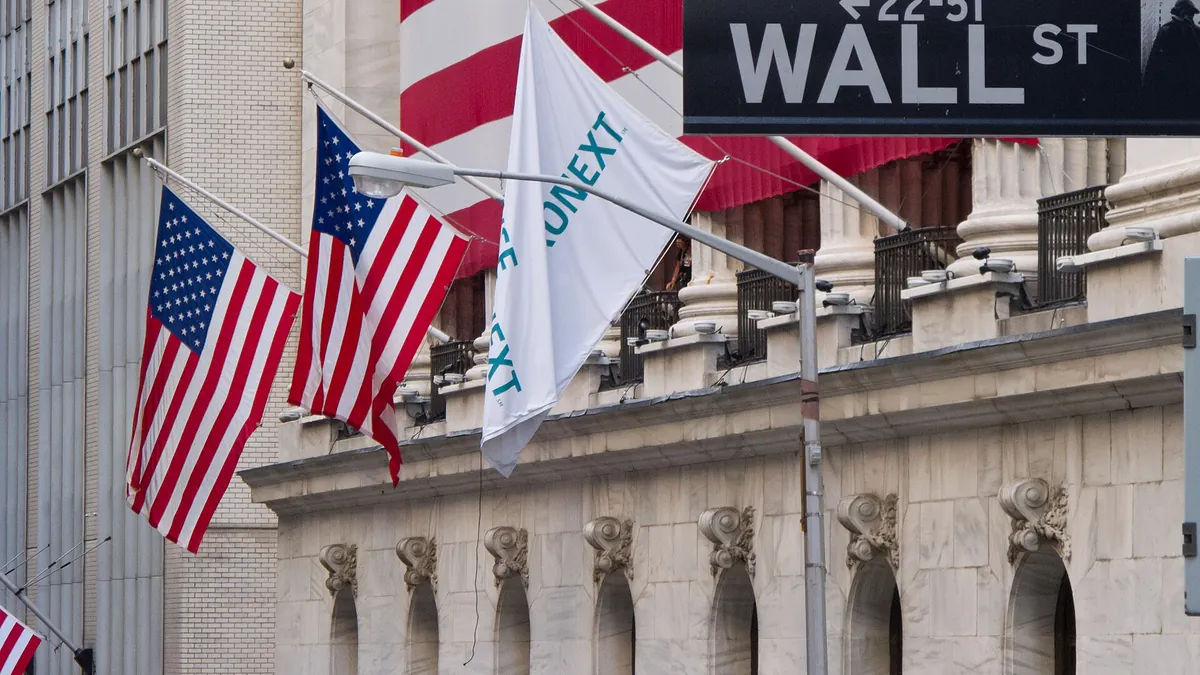
The S&P 500 and the Dow Jones Industrial Average entered correction territory on Friday 20 November, meaning both have fallen at least 10% from their record highs. The S&P 500 dropped 3.7% to 6,910.39, its seventh losing session in a row and the longest run since February 2020, FOX Business reported. The Dow fell 1.9% to 48,147.33. The Nasdaq Composite lost 5.3% to 22,617.73, wiping out its gains for the year.
Over the week the S&P 500 fell more than 8%, its worst week since the tariff shock of April 2025, and the Nasdaq about 10%, FXStreet reported. The VIX volatility index closed at 35.89, its highest since April 2025. The PHLX semiconductor index fell 10.7% on Friday alone.
Nvidia and Anthropic lead the fall
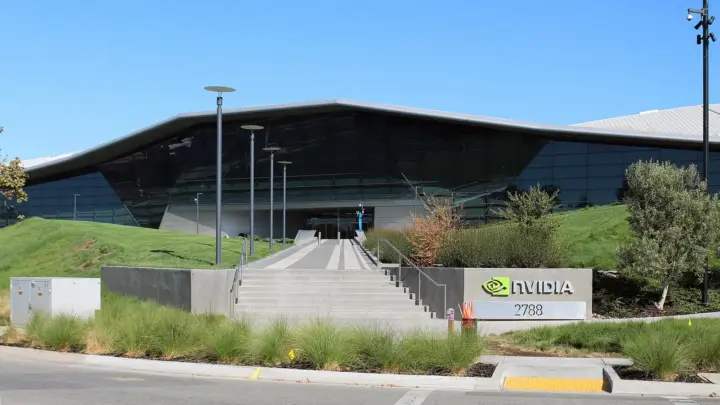
Nvidia closed 14% lower at $125.53 after Reuters reported that the US Securities and Exchange Commission was looking into possible accounting issues at the company, Investing.com reported. Nvidia has not commented in the reports we read. The stock lost more than 23% over the week, its worst week since October 2008, and the company has slipped to fourth place among the largest listed companies. The fall comes days after Jensen Huang stepped down and despite a strong quarterly report.
Anthropic, which raised a record $107.3bn in its listing and a private placement this week, closed its second trading day 8.5% lower at $88.91. At its low the stock came close to its $83 offering price. Micron and Sandisk fell about 15% each, and AMD, Broadcom and Dell posted double-digit losses.
“A record IPO adds supply without answering that question, which is why it hasn’t lifted broader sentiment,” said Michael McGowan, chief investment strategist at Pathstone, referring to the return on money spent on AI. Michael Antonelli of Baird said markets had “started to price a slowing of capital expenditure growth and thus lower earnings.”
Rates and politics add pressure
Minutes of the Federal Reserve’s October meeting strengthened expectations of further tightening. According to CME FedWatch data cited by Investing.com, markets are all but pricing in a rate rise of at least 25 basis points in December. Investors also pointed to the Democrats’ control of both chambers of Congress after the midterm elections, which raises the prospect of tougher scrutiny of AI and data centres.
What it means for founders and investors
Public markets set the price for late-stage private rounds. With the S&P 500 in a correction, Anthropic trading near its offering price and Nvidia under regulatory scrutiny, investors in growth rounds will push back on valuations and ask harder questions about how AI spending turns into revenue. Founders who planned to raise in the first quarter should check their runway against a slower market rather than a quick rebound.