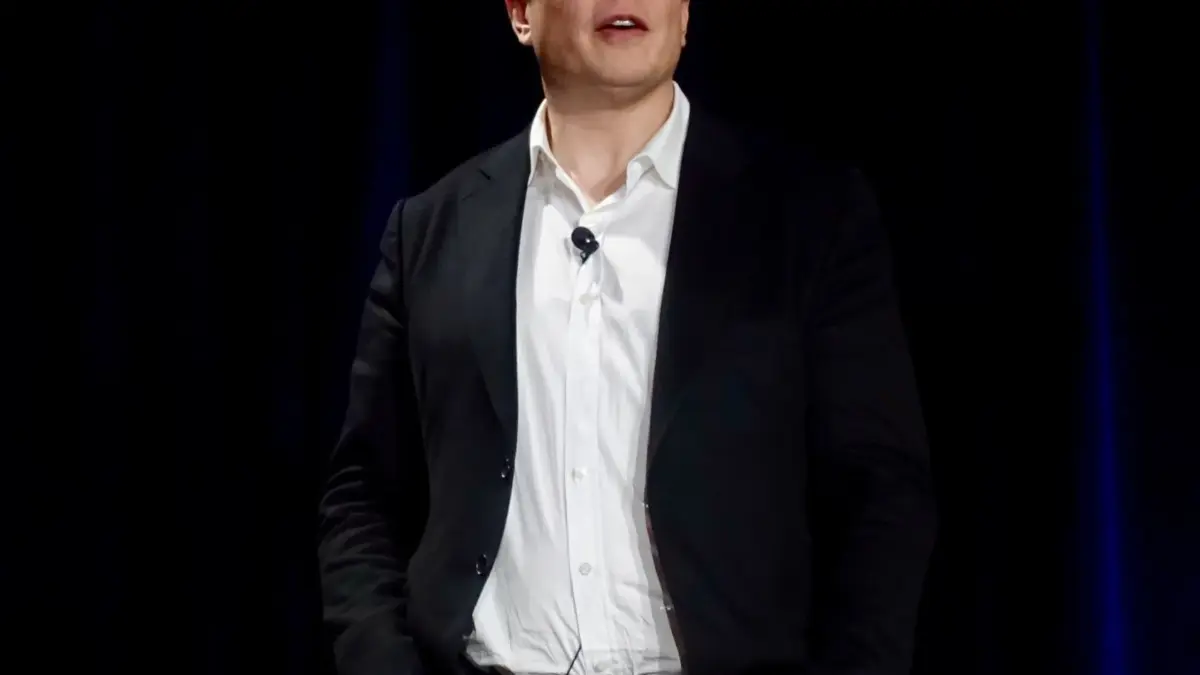
Tesla will stop making the Cybertruck in 2027, chief executive Elon Musk said on X, and will use the factory space to build more two-seat Cybercab robotaxis, TechCrunch reported on Friday 6 November.
Why the Cybertruck is ending
Sales were the problem. When deliveries began in late 2023 Musk predicted about 250,000 sales a year; Tesla has sold only tens of thousands in total over the past three years. The truck was revealed in 2019 with a promised starting price under $40,000 and up to 500 miles of range. Neither was achieved: the base price rose to around $60,000 and top-end range fell by more than 100 miles. TechCrunch also points to the polarising design and to protests tied to Musk’s politics.
Where the capacity goes
The Cybertruck is the third product Tesla has dropped this year to make room for AI and robotics. Earlier in 2026 it ended the Model S and Model X and turned that space over to Optimus humanoid robots. Cybercabs have been on Austin’s streets for two months with no major incidents reported, and Tesla plans to expand to Dallas later this month. It also runs Model Y robotaxis in Austin, Houston, Dallas and three Florida cities.
What it means for founders and investors
Tesla is reallocating factory space from a car that missed its volume target to a robotaxi that has yet to prove its economics at scale. For suppliers and start-ups in the autonomy chain, the signal is where Tesla’s capital is going next; for investors, the Cybercab now has to justify the floor space it has been given.
Corrected on 12 November 2026: an earlier version of this article included figures and details that are not in the reporting it cited. They have been removed.