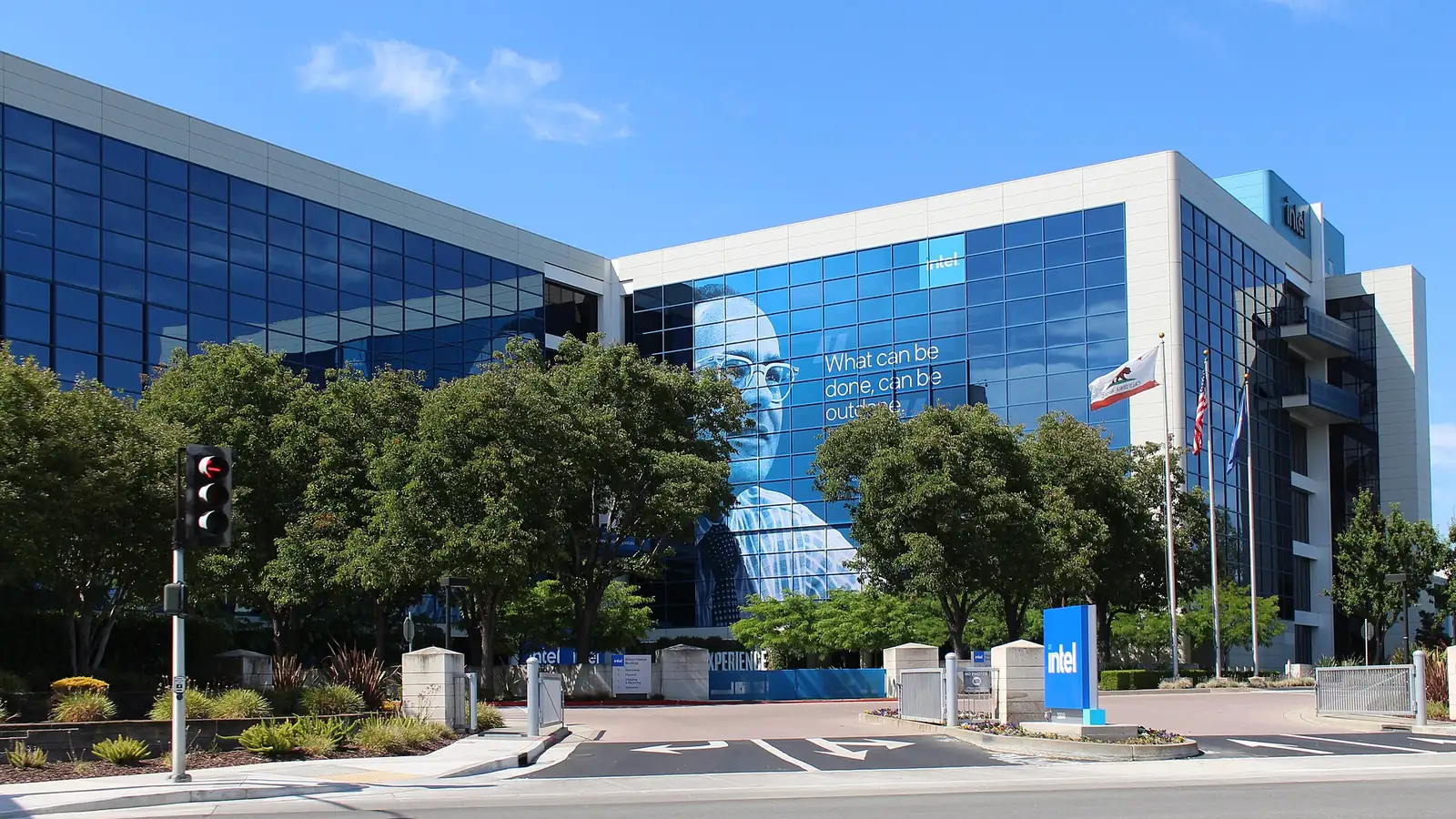
An explosion at Intel’s Fab 28 in Kiryat Gat, Israel, in mid-October killed two workers and seriously injured a third, and shut the whole facility for about two weeks. Intel now expects it to cost about $600m in revenue over two quarters, Tom’s Hardware reported.
According to Globes, the neck of a gas cylinder exploded while it was being unloaded from a truck. The two workers who died were Ilya Chechulin, 49, and Yakir Kosashvili, 35; the injured worker was being treated at Soroka Medical Center. Intel expressed regret and promised full cooperation with the investigation.
What Intel has said
On Intel’s earnings call, chief financial officer Dave Zinsner said the site had been shut for about two weeks. “We feel like we are going to be starting up production here by the end of this week,” he said, adding that Intel was assessing which wafers in the line were still usable. He put the impact at about $300m of fourth-quarter revenue, with a similar hit expected in the first quarter of 2027, and called the figures a preliminary assessment. Intel also expects about 2 percentage points off its fourth-quarter non-GAAP gross margin.
Intel’s shares fell by nearly 30% over the last two sessions of that week, Globes reported, a drop driven also by a weaker outlook for PC sales and a lower fourth-quarter forecast.
Which chips are affected
Fab 28 is one of Intel’s key sites for 10nm-class and Intel 7 chips. The disruption is expected to hit server processors made on those processes. Intel has not named the affected Xeon families, said how many wafers were damaged or when the fab will return to full capacity. Tom’s Hardware notes that Intel’s latest Xeon 6 processors use compute dies made on Intel 3 but I/O dies made on Intel 7, and that Intel still sells Xeon 5 Emerald Rapids chips made on Intel 7. It expects server chip manufacturing to be disrupted for six months.
Intel has other 10nm-capable fabs, including Fab 12, Fab 22, Fab 32 and Fab 42 in Arizona, but it was already struggling to meet demand for server processors, so it cannot fully make up the lost output elsewhere.
What it means for founders and investors
Server processors were already scarce, and the accident removes supply for at least the next two quarters. Infrastructure teams planning Intel-based servers for the first half of 2027 should ask suppliers for confirmed allocation dates and price an AMD or Arm alternative. For investors, the quarter shows how much of Intel’s server business still rests on an older process at a single site.
Corrected on 12 November 2026: an earlier version of this article described the cause of the explosion and some technical details that are not in the reporting it cited. They have been removed.