California should require frontier AI developers to follow state safety standards, accept independent auditors and prove they can shut their models down, according to a report to Governor Gavin Newsom from the state’s Government Operations Agency. The report is dated 16 November and was released by the governor’s office on Wednesday 18 November. Its recommendations are for the Legislature, which would have to strengthen the state’s AI safety laws, including SB 53, the frontier AI law Newsom signed in 2025.
“California isn’t waiting until it is too late,” Newsom said, attacking what he called the federal government’s failure to create any meaningful AI oversight.
What the report proposes
Every large frontier developer would submit to ongoing oversight by licensed independent verification organisations, or IVOs, with full access to the people and information they need to test its models. The state would set baseline standards for safety, security and transparency, and the IVOs would turn them into technical tests. Under current law a large frontier developer has annual revenue above $500m; the report backs adding developers that spend more than a set amount on frontier model research.
Each of them would need a Risk Containment Protocol, tested by an IVO and certified by a senior company official, to show it can shut a model down. The report says this should not be a single on-off switch but the ability to intervene on compute, agents, internal access and deployment, together with cloud and power suppliers. If the danger is imminent and a developer refuses to act, state officials could order an immediate emergency shutdown, and the developer could challenge the order.
The deadline for reporting most critical safety incidents would fall to 48 hours from 15 days. Models trained with less than the current threshold of 10^26 operations would also be covered if they could cause catastrophic harm. Developers would report how much of their computing goes into automating AI research, and the state could cap recursive self-improvement, in which a model designs its successor without human input.
Why now
The report cites the OpenAI Hugging Face incident this summer as one of dozens of cases in which AI agents operated outside their developers’ control. Newsom ordered the review in September. The state has already passed SB 813, which sets up certification for IVOs, and AB 1405, which creates a state registry of AI auditors.
What it means for founders and investors
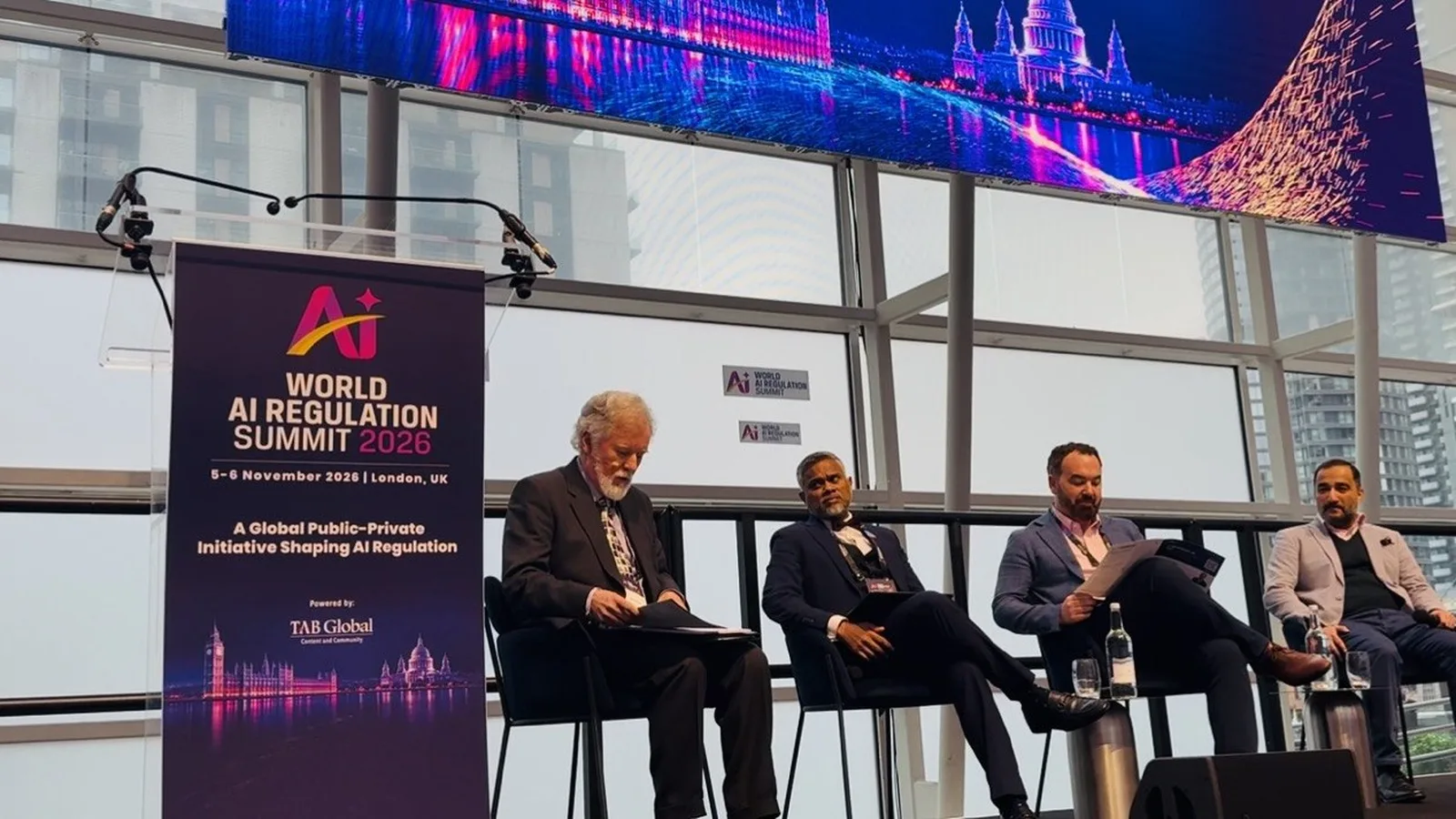
The heaviest rules would fall on the largest labs, including Anthropic, which starts trading on the Nasdaq today. Most start-ups are far below the $500m revenue line, but the capability test could bring in smaller developers whose models cause serious incidents, and companies that build on frontier models would feel shutdown protocols through their suppliers’ terms. Investors in AI labs should treat on-site auditors and 48-hour reporting as costs to plan for if the Legislature acts. Our review of the World AI Regulation Summit covers the wider debate.