Layne Weant built The Grey Mirror, an AI tool that reads a couple’s entire text-message history and reports on the patterns in it, because of his own two failed marriages. He had years of messages, from the honeymoon phases through the custody battles, and wanted to know whether the warning signs were visible before everything fell apart. He is the company’s only founder; it trades as Wentropy Labs.
The night the breaker tripped
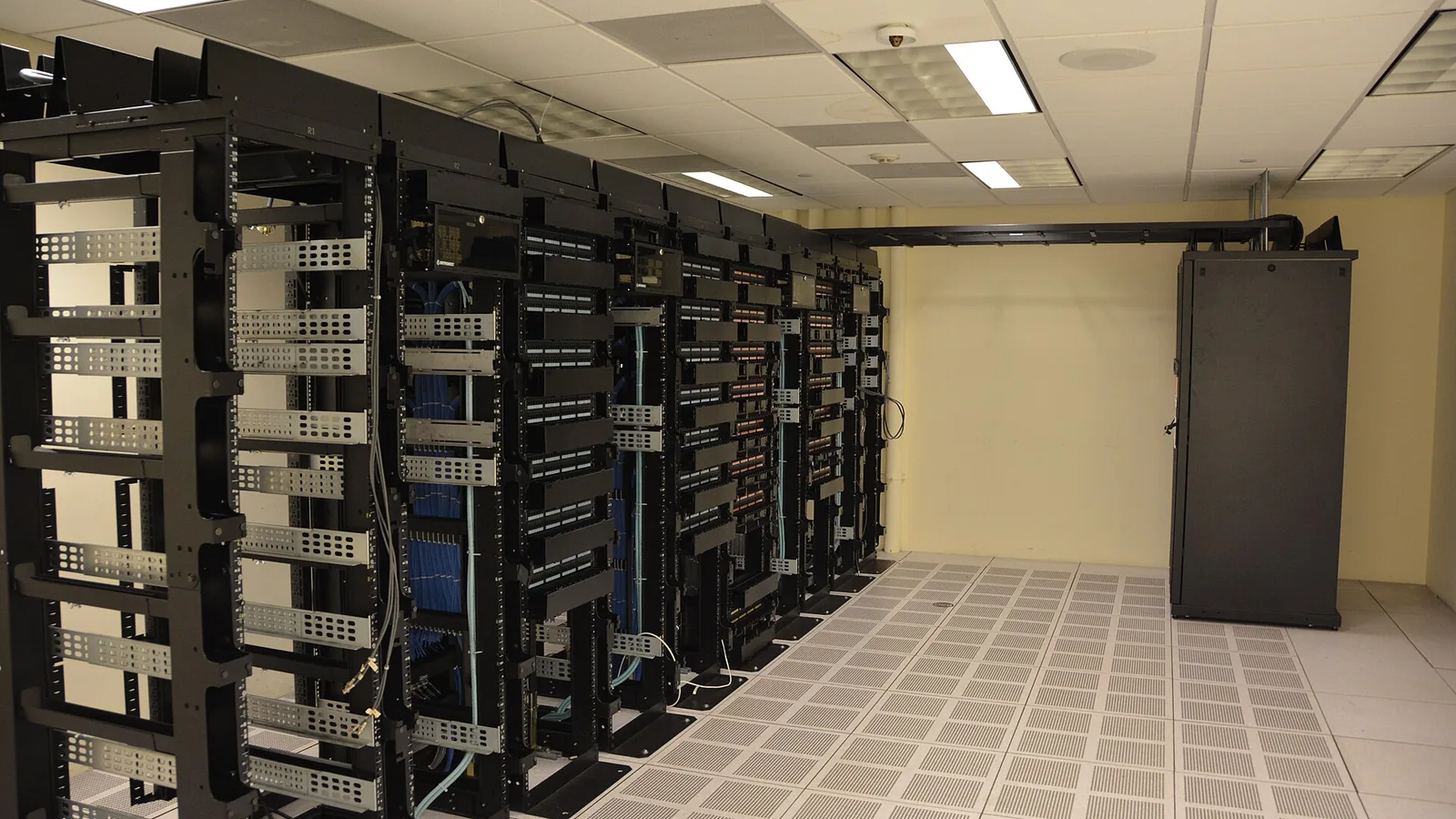
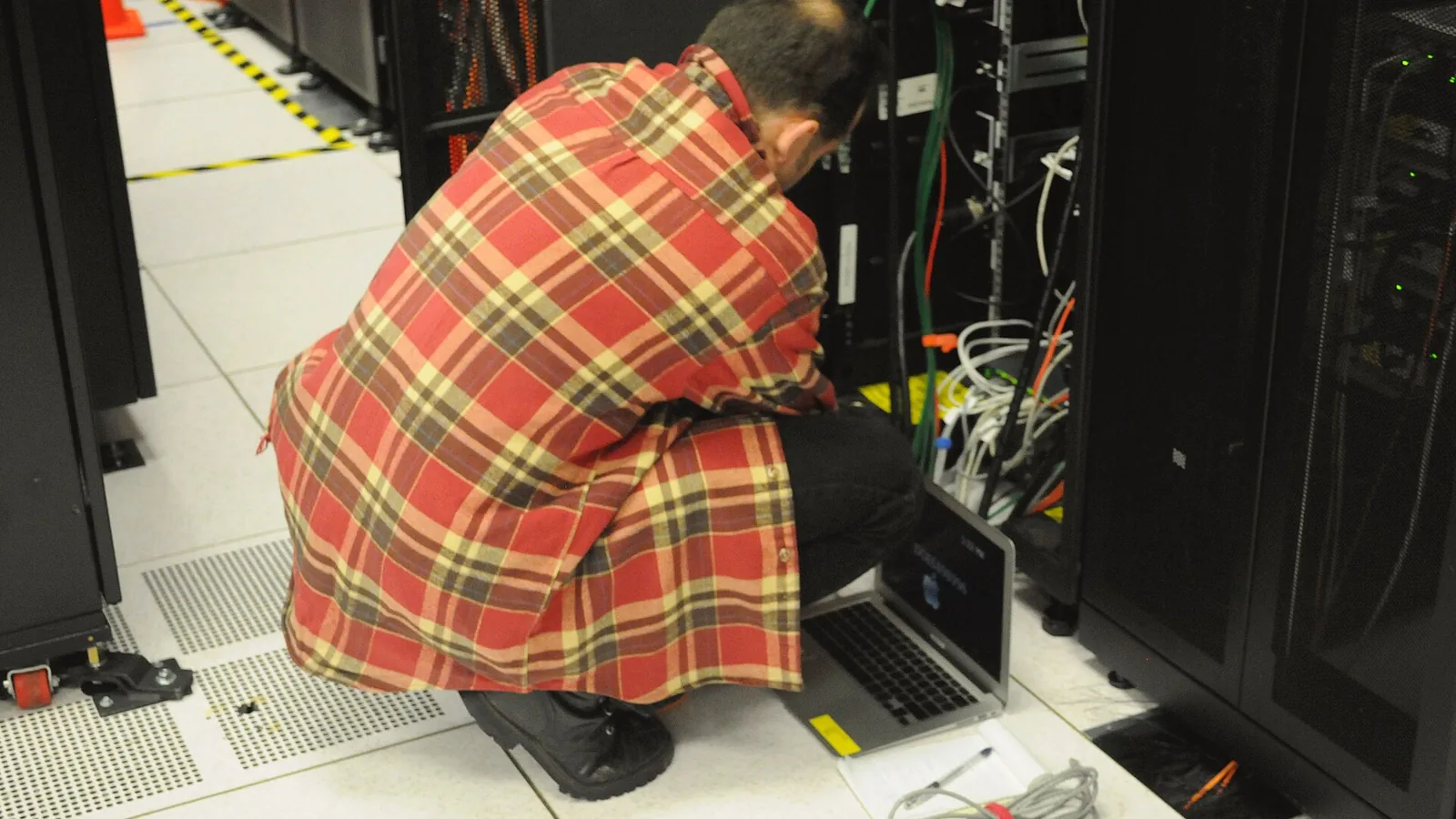
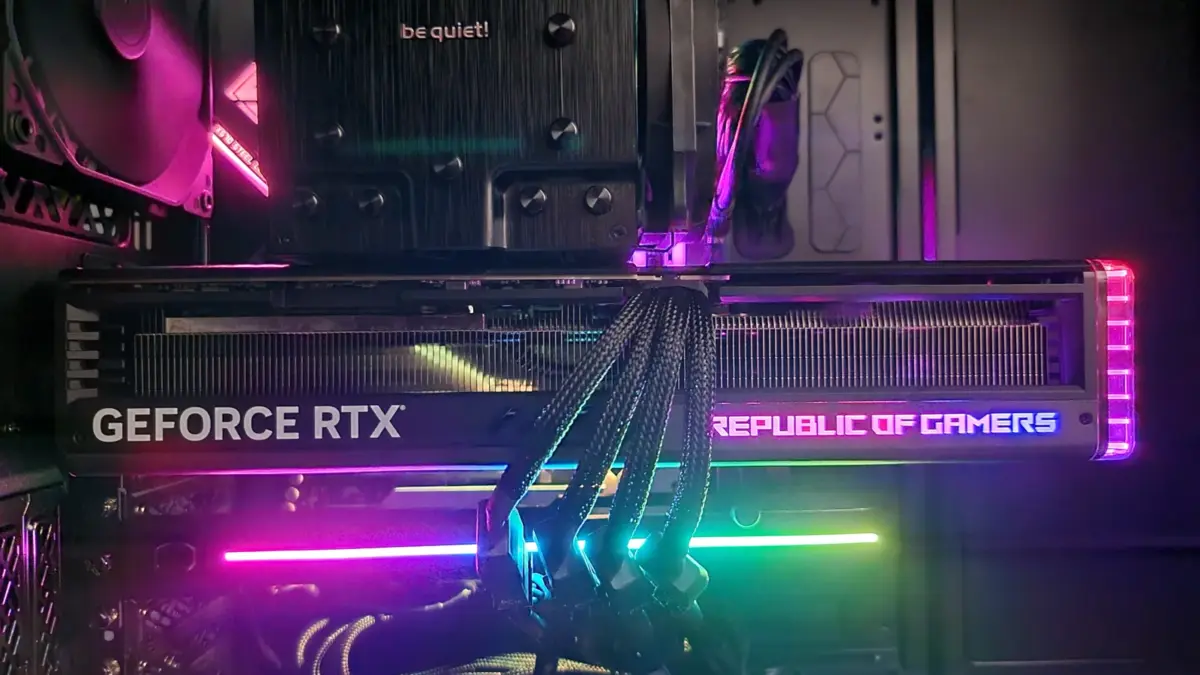
He trained the models himself on second-hand servers with consumer GPUs. The setup had an odd imbalance: 1.2TB of RAM but only 500GB of disk, so checkpoints from his longest run, a transformer model, were sitting in memory rather than on disk. Then a breaker tripped. “RAM and sudden power failures don’t mix,” he says, “and neither does putting a 50-amp breaker in a 30-amp RV.” He lost six months of training. The source data and most of the labelling survived; the model progress did not, and the lost run had scored better on his last evaluation than the one that replaced it.
He rebuilt rather than quit, and says the episode forced him to rethink checkpointing, recovery and how the training pipeline is structured.
142 labels, 47 models
The training data came from his own relationships, more than two million words of messages across about 15 years, plus conversations from a few friends who agreed to help when he needed rare behaviours his own history lacked. Volunteers recruited on Reddit hand-labelled the messages: several people labelled each one, several others audited the labels, and ambiguous cases went to a vote.
The taxonomy runs to 142 labels, covering behaviours such as insults, empathy, escalation, de-escalation, DARVO (deny, attack, reverse victim and offender), sexual rejection and verbal abuse. Because one classifier could not learn all of them reliably, he split the work across 47 models of different architectures, using transformers for some, such as deflection and love language.
His former partners were never formally asked. “I never sat either of them down and asked if I could use our conversations to train models,” he says. Both knew he was training models and neither objected, “but I know that knowing about it and not saying no is a different thing than giving consent, and I don’t want it to read like they did. Looking back I should have asked them directly.”
For customers, he says, uploaded conversations are processed on the company’s own infrastructure and deleted afterwards; it keeps non-identifying aggregate measurements for research and model improvement, and does not pass raw conversations to outside AI providers. The person on the other side of a customer’s conversation is not asked.
What it earns
The Grey Mirror launched six or seven months ago. A full report costs $19.99, a Grey Mirror Plus subscription starts at $19.99 for the first month, and a Studio Pack of ten reports is listed at $129.99. On the iOS app, he says, 198 single reports have been bought so far and 67 people hold monthly subscriptions; the web version, which has been live longer, has roughly double those numbers by his estimate. About 3,200 free previews have been run.
A typical upload is 20,000 to 200,000 messages; the largest take his cluster of eight RTX 4090 cards about ten minutes. Revenue trickled in for a long time, he says, and only picked up after he released Unbubble, a free, open-source iPhone app that exports messages straight from the phone without a Mac or PC, because getting the data off an iPhone had been its own obstacle.
Unbubble has since found its own audience. A Reddit post about it drew around 100,000 views, and the app was downloaded about 2,000 times in five days. Over the same days, he says, The Grey Mirror’s clicks from Google rose sharply and it took about $800 in a few hours without spending anything on ads. “It’s early,” he says. The Unbubble downloads are separate from The Grey Mirror’s paying customers.
What did not work
“Quite a bit,” he says. The models turned out to be only part of the problem: importing years of real message histories, working out who is who in a conversation, and explaining the findings in a way people understand were just as hard. He has reworked parts of the processing pipeline, changed how reports are presented and dropped approaches “that looked impressive technically but weren’t useful to actual people”.
The idea has stayed the same: to let people look at the evidence in their own conversations rather than rely on memory, on family advice or on a tool that reads a handful of screenshots. “It has been the most educational and emotionally draining experience of my life,” he says.
Venture Signal’s founder profiles are free editorial pieces; founders are not charged and do not approve the text. Figures are as reported by the founder and have not been independently verified.