Shares in listed bitcoin miners fell sharply last week as the price of bitcoin and the AI trade dropped together. In the week to Friday 20 November, IREN lost 34.9% to $11.82, MARA 27.2%, CleanSpark 26.5%, Cipher 20.8% and Hut 8 20.2%, while Riot fell 7.4%, CEO Economy reported, citing Yahoo Finance closing prices. On Friday alone MARA fell 18.6% and Hut 8 17.7%, Startup Fortune reported.
Bitcoin itself fell 15.3% over the same week, TECHi calculated, and dropped below $57,000 late on Friday for the first time in two years.
Mining pays less
The core business is under pressure. Hashprice, the daily revenue a miner earns per petahash of computing power, fell 17.5% in October, from $40.24 to $33.18, according to MillionMiner data cited by CEO Economy. At the same time the network got harder to mine. Difficulty rose 11.76% in October, from 132.76 trillion to 148.36 trillion, the biggest monthly increase since February 2024, according to a report by the data centre operator Intelion summarised by RBC Crypto. It suggested one reason was miners in Texas switching machines back on after the summer peak in power demand.
Since then bitcoin has fallen further and some machines have been turned off. Difficulty dropped 9.1% to 134.8 trillion at the adjustment on 14 November, according to mempool.space. MARA reported a power cost of $39,674 for each bitcoin mined at its own sites, which leaves a thinner margin at today’s prices once other costs are added.
Miners have been selling coins. MARA sold 17,488 bitcoin in the third quarter, almost eight times the 2,247 it mined, and Riot sold 10,599, CEO Economy reported.
The AI escape route now moves with AI stocks
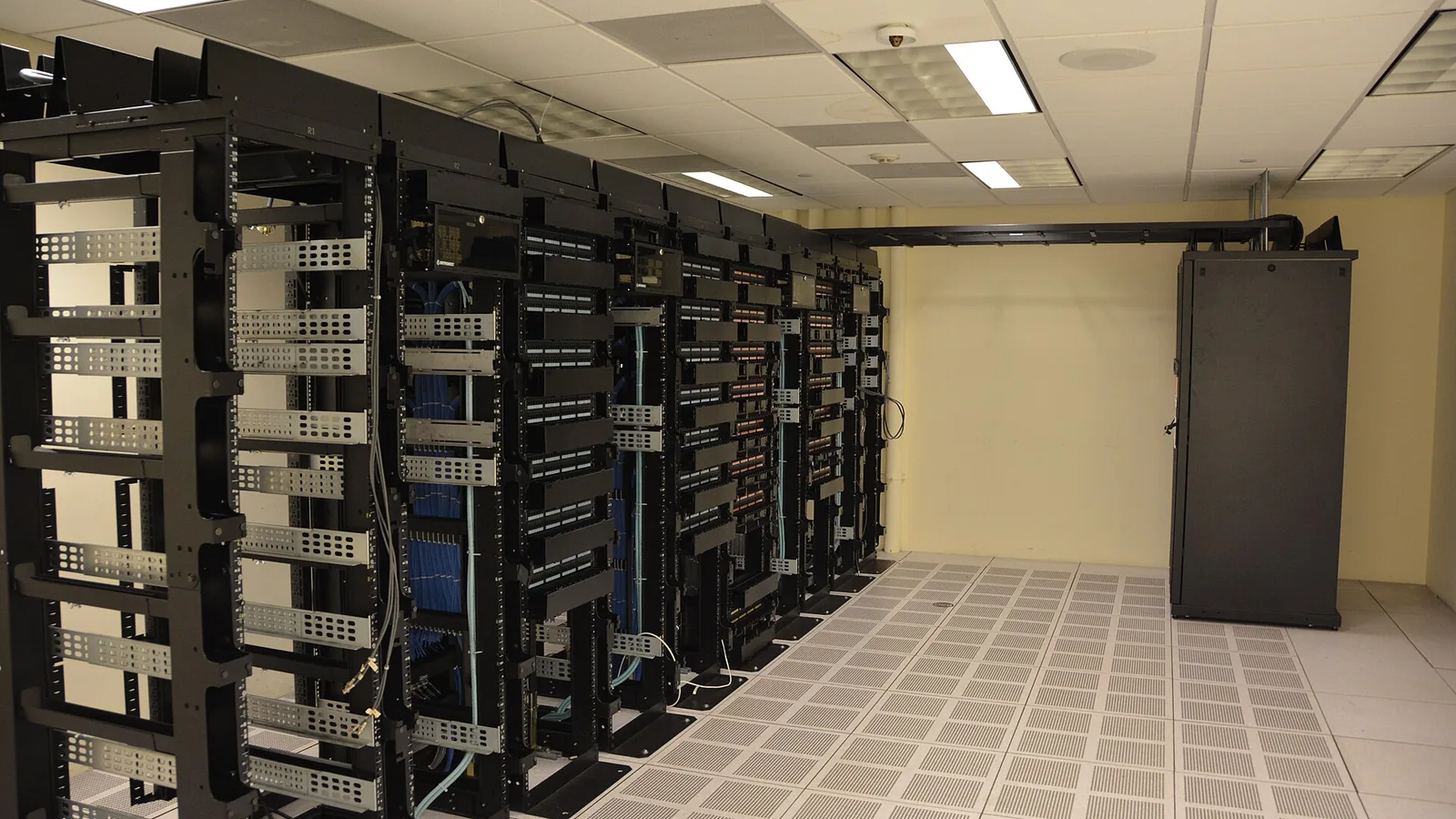
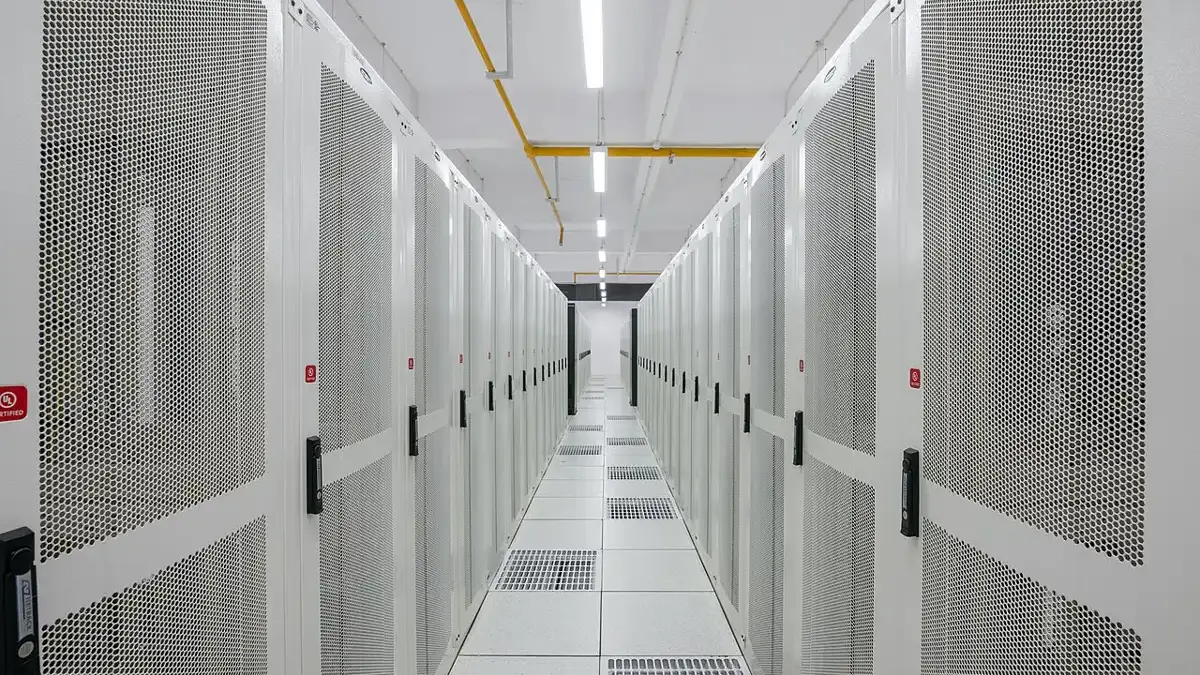
Many miners have turned their power sites into data centres for AI customers. IREN made $200m of its $228m quarterly revenue from AI cloud and leases, against $28m from mining. TeraWulf and Core Scientific now earn most of their revenue from leases, and Hut 8 has signed AI leases it values at $26.6bn, although its first data halls are not due until the second quarter of 2027.
That has changed what moves their shares. Over 37 trading days to 20 November, the daily moves of IREN, Core Scientific, TeraWulf and Cipher tracked AI hardware stocks far more closely than bitcoin, TECHi found. So last week they took both hits at once. Bernstein had already cut its price targets on seven miners by 35% to 54% earlier this month.
There is also political risk. More than half of the power capacity these companies hold or plan is in Texas, according to Bernstein. The state’s governor-elect, Gina Hinojosa, wants to pause approvals for new data centres until lawmakers write rules to protect residents from higher power and water bills. Projects that already have permits would not be affected.
What it means for founders and investors
The move into AI looked like a hedge for miners against a weak bitcoin price. Last week it turned out to be the same bet in a different form. Investors in the sector should look at contracted lease revenue and the dates when data halls go live, not only at headline lease values. Founders building on cheap power, in mining or AI compute, should expect lenders and tenants to ask the same questions.